.webp) pixelburstgame.com
pixelburstgame.comThe Gugugaga Penguin Crisis: How a Viral Meme Exploded into a Gaming Industry Scandal, Exploitative Mobile Clones, and AI Copyright Battles
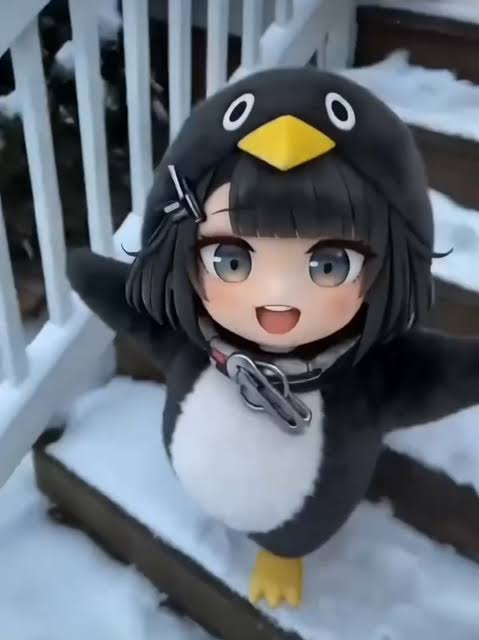
The online gaming sphere frequently witnesses viral phenomena, but few viral trends have erupted with the chaotic intensity surrounding the Gugugaga Penguin. What originated as an innocent fan art crossover—merging a chibi penguin-like design based on Arknights: Endfield's Endministrator with viral AI voice memes—rapidly transformed into an internet obsession. However, beneath the adorable surface lies an unfolding news saga spanning predatory asset-flip mobile games, corporate copyright disputes, dynamic economy crashes, and algorithmic content farms.
This investigative deep dive explores the complete timeline and structural fallout of the Gugugaga Penguin news issue. We track the evolution from fan meme to corporate nightmare, detailing how game developers, platform holders, and online communities continue to wrestle with the unforeseen consequences of viral AI brainrot.
1. Early Origins: The Unintended Birth of the Gugugaga Meme Culture
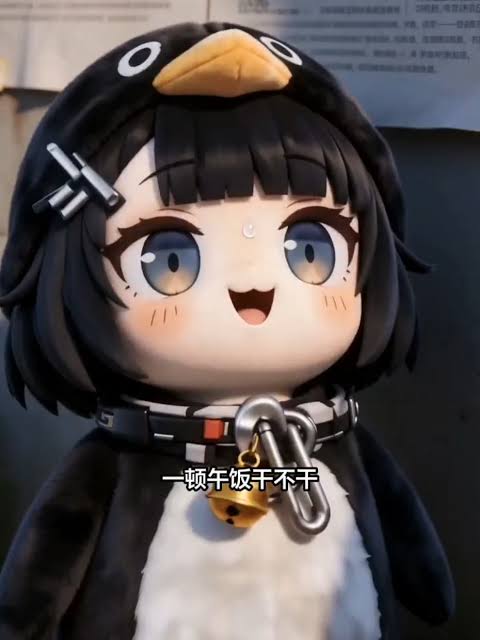
The roots of the Gugugaga Penguin controversy date back to mid-2024 when fans began drawing parallels between the penguin-esque beak mask of Arknights: Endfield’s female Endministrator and the bird-obsessed character Tomori Takamatsu from Bang Dream! It's MyGO!!!!!. What began as innocent image edits on social media took a dramatic shift when voice-cloning AI models (such as GPT-SoVITS) were leveraged to pair these chibi penguin images with a chaotic viral audio clip of a player screaming "gugugaga".
Within weeks, short-form video platforms were inundated with millions of AI-generated clips featuring the high-pitched penguin character performing mundane or bizarre activities. The viral reach was unprecedented, attracting a demographic far beyond tactical RPG fans. However, this sudden explosion of interest caught mainstream gaming studios completely unprepared for the wave of unauthorized commercial exploitation that was about to follow.
2. The Commercial Infiltration: Mobile Asset Flips and Shady App Store Clones
By early 2025, digital opportunistic developers realized that neither Hypergryph (creators of Arknights) nor the original meme creators held enforceable trademark locks on the generic term "Gugugaga Penguin". Sensing massive search volume, dozens of low-quality mobile games began flooding Google Play and iOS app storefronts. Titles like Gugugaga Penguin Prison Escape, Gugu Gaga Penguin Craftsman, and Gugugaga Obby Games racked up millions of downloads within days.
These titles rarely delivered functional or tailored gameplay. Instead, developers took pre-existing asset packs—ranging from Roblox-style obby mechanics to stolen Granny horror engines—slapped a hastily rendered 3D Gugugaga Penguin model on the cover, and loaded the software with aggressive ad networks. Unwary players, particularly younger audiences drawn in by short-form videos, downloaded these titles only to encounter intrusive monetization and broken interfaces.
3. The Great Economy Crash: Memecoins, Market Manipulation, and Fan Outrage
The situation escalated beyond broken app stores when cryptocurrency bad actors seized upon the viral movement. In early 2026, a Solana-based speculative token named $GUGUGAGA was launched. Promoted through automated social media bots spamming AI-generated penguin shorts, the coin’s valuation surged to tens of millions of dollars within 72 hours.
Anatomic Dissection of the $GUGUGAGA Pump-and-Dump
- Bot Network Deployment: Automated accounts hijacked video comment sections with nonsensical baby-talk scripts and emotional hooks to inflate organic engagement metrics.
- Liquidity Ingestion: Casual gamers and crypto speculators poured capital into the token based purely on meme momentum.
- The Sudden Rug-Pull: The anonymous creators dumped 40% of the total token supply in a single transaction, crashing the coin's value by 98% and wiping out millions in investor capital.
This financial scandal turned a harmless internet joke into a headline gaming story, drawing intense scrutiny from regulators and gaming ethics watchdogs globally.
4. Corporate Crackdowns: Intellectual Property Warfare and DMCA Blitzes
Faced with severe brand damage from shady app store clones and crypto scams, parent game publishers stepped in. Legal teams initiated massive wave-based DMCA takedown blitzes aimed at scrubbing unauthorized Gugugaga Penguin assets from public repositories, modding hubs, and app stores.
The enforcement efforts quickly hit a legal wall. Because many of the asset-flip games utilized derivative 3D models generated via AI prompts rather than directly ripping game files, proving copyright infringement required complex court arguments. Developers simply altered the penguin’s color palette by a few hex codes and re-uploaded their titles under slightly modified names, rendering the corporate takedown campaign largely ineffective.
5. Algorithmic Polarization: Brainrot Engagement vs. Dark Community Backlash
As platforms continued pushing Gugugaga Penguin content, a dark sociological rift opened within online communities. On one side were casual users and children who viewed the penguin as an innocent, adorable mascot. On the other was a growing faction of internet users who experienced intense visual fatigue and agitation from the relentless algorithmic repetition—a phenomenon termed "brainrot burnout".
This friction culminated in the rise of specialized anti-Gugugaga communities. Forums and social media groups formed dedicated spaces explicitly focused on creating graphic counter-content, featuring animations where the penguin mascot faced extreme slapstick harm. Psychologists and digital culture scholars pointed to this escalation as a landmark case study in how hyper-saturated AI content can trigger collective online hostility.
6. Modding Community Fallout: Tainting Open-Source Sandbox Platforms
The fallout quickly leaked into established PC gaming modding hubs. Platforms like Nexus Mods and GTA5-Mods saw hundreds of low-effort Gugugaga Penguin character swaps uploaded daily. Modding creators who spent months building comprehensive total conversions found their work buried beneath endless uploads of chibi penguin skins created in minutes using automated scripts.
Impact on Modding Ecosystems
- Category Flooding: Popular modding indices saw their "Trending" feeds overrun by low-effort AI peds and character models.
- Repository Lockdowns: Server administrators were forced to implement strict moderation filters, requiring manual approval for all penguin-related tags.
- Creator Exodus: Several veteran mod creators temporarily suspended project updates in protest of platform algorithms prioritizing viral meme uploads over high-craft mods.
7. Platform Policy Revisions: How App Stores Were Forced to Adapt
The sheer scale of the Gugugaga Penguin news story forced major platform owners to re-evaluate storefront policies. Google Play and the Apple App Store faced intense criticism from gaming journalists for allowing copycat titles to top search results for months while displaying misleading screenshots.
In response, platform engineers introduced updated automated screening algorithms designed to flag "Trend-Chasing Asset Duplication". Under these new guidelines, apps attempting to target high-frequency viral keywords using generic store templates face shadow-banning or instant removal. This marked one of the first times a single viral meme forced a systemic overhaul of mobile app store verification pipelines.
8. Player Security Risks: Adware, Malware, and Data Harvest Vectors
Beyond mere commercial annoyance, cyber security researchers uncovered genuine technical threats embedded within several Gugugaga Penguin downloads. Cybersecurity reports published in mid-2026 revealed that multiple Android titles leveraging the penguin's name contained hidden background payloads.
Identified Mobile Security Threats
- Adware Droppers: Apps that requested elevated device permissions to serve out-of-app pop-up advertisements, even when the phone was locked.
- Unencrypted Telemetry Harvesting: Apps collecting precise location data, device IDs, and contact lists without user consent or encryption.
- Microtransaction Fraud: In-game storefronts that tricked users into recurring weekly subscriptions under the guise of unlocking exclusive "Gugugaga Golden Wings".
Security firms issued formal advisories warning parents to audit their children's mobile devices and delete any unofficial titles matching the Gugugaga naming convention.
9. The Industry Aftermath: Lessons Learned from Hyper-Viral AI IP Spikes
The Gugugaga Penguin phenomenon stands as a warning for modern game developers operating in the age of generative AI. The speed at which an unowned visual concept can be commercialized, monetized, and corrupted demonstrates a major vulnerability in traditional intellectual property law.
Studios are now adapting by deploying proactive IP defense strategies. Rather than waiting for a fan meme to be exploited by third-party scammers, companies are learning to register immediate placeholder trademarks on viral shorthand phrases and character variants within hours of them gaining traction online.
10. The Legacy of Gugugaga Penguin: A Benchmark for Digital Chaos
Today, the Gugugaga Penguin news saga has settled into a quiet post-mortem phase. While the initial wave of app store clones and crypto scams has subsided under heavy moderation, the structural impacts on digital storefront policies, AI content regulation, and community management remain permanent.
The strange tale of the chibi penguin illustrates how rapidly modern internet culture can transform a lighthearted joke into a multifaceted industry crisis. As AI generation tools become faster and more accessible, the lessons learned from the Gugugaga Penguin scandal will serve as a vital playbook for navigating the messy intersection of viral gaming culture, intellectual property, and cybersecurity.